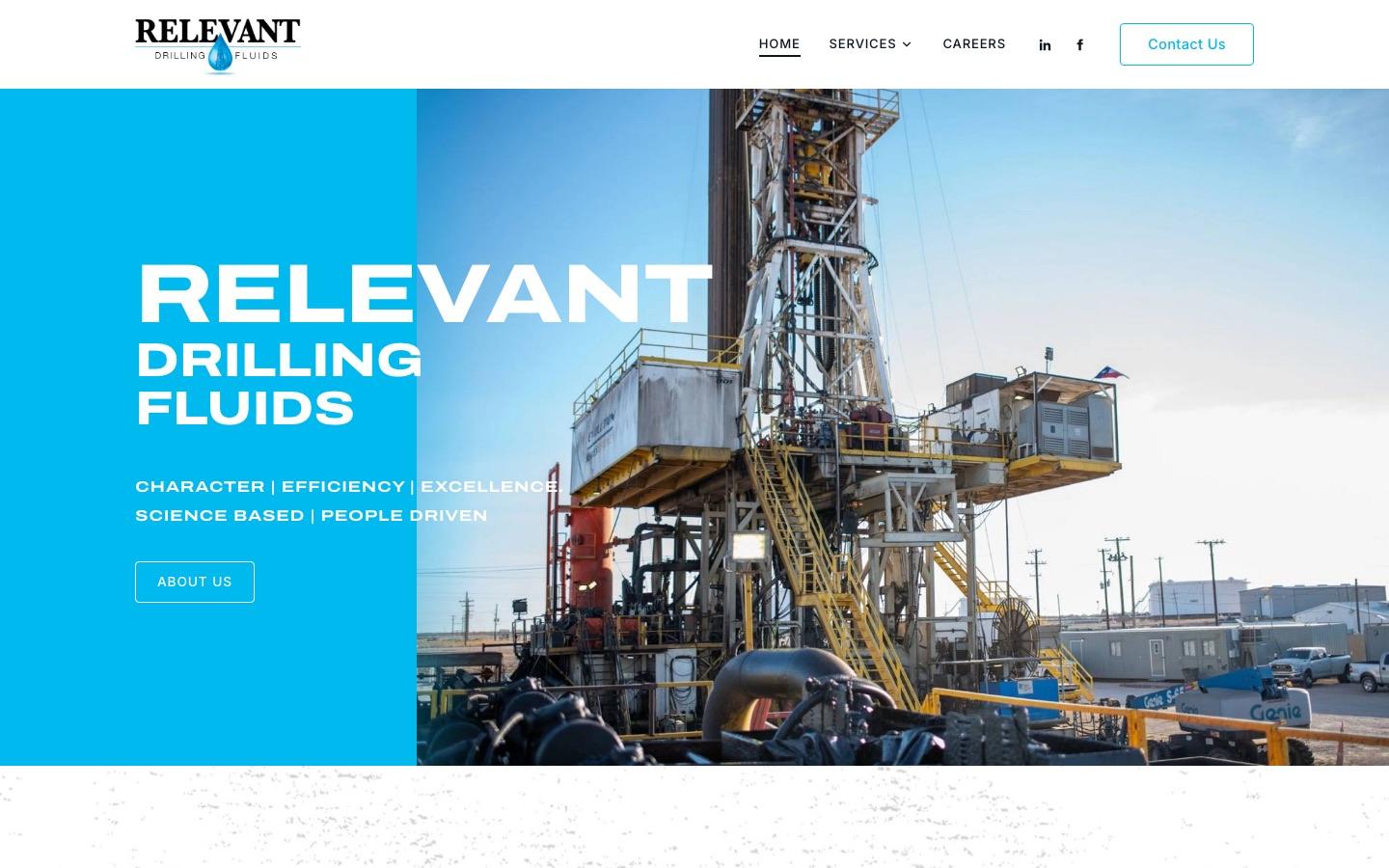
Website Spotlight: What Rebuilding Relevant Drilling Fluids’ Site Did for Search
- Relevant Drilling Fluids
Relevant Drilling Fluids is a full-service drilling fluids company in the Permian Basin. This fall we rebuilt their website. We kept the look their customers already knew and rebuilt nearly everything underneath it. Here's what changed, why each change matters for search, and what any business can take from it.
Why rebuild a site that already worked?
RDF's old site wasn't broken. It was on Squarespace, a platform we still build on and recommend for many businesses. But RDF's needs had outgrown it. They needed a new service line (mining) given equal billing, clearer service names, contact and careers forms that reach the right people, and tighter control over the technical details search engines read.
What changed, and why it matters for search
1. Every page has one clear job, and a title that says so
Each page now has its own search title and description, written for what someone would actually type. The services were renamed to match how RDF talks about its work: “Full-Service Drilling Fluids” now has its own page, and Mining Fluids sits beside Lab Services instead of being buried.
2. Old links still work
When a page gets a new address, every old link to it (in emails, in directories, in Google's index) can break. We set up permanent redirects, so the old Squarespace addresses send visitors and search engines straight to the new pages. Google's own guidance on moving a site recommends mapping old URLs to new ones with server-side redirects.[4]
3. Search engines get the facts in their own language
Every page carries structured data, a behind-the-scenes block of code that tells Google who the business is, where it is, what it offers, and how each page fits into the site. Google's documentation says LocalBusiness structured data lets you tell it about details such as business hours and departments.[3] We added LocalBusiness data on every page, plus Service and Breadcrumb data where they apply.
4. One address per page
A page that loads at both /contact and /contact/ can look like two pages to a crawler. The new site picks one canonical address per page and tells search engines which one it is. A generated sitemap lists every public page, and draft or private pages are kept out of it.[5]
5. Lighter pages
Every photo was resized to a sensible maximum and recompressed, so pages load faster on a phone in the field. Google says its Core Web Vitals, which measure loading speed, responsiveness, and visual stability, align with “what our core ranking systems seek to reward.”[1]
Speed also affects revenue, not just rankings. In a Google-commissioned study by 55 and Deloitte:
Mobile speed improvement measured across every page of the journey[2]
More spent by retail consumers after that improvement[2]
Brand sites studied, covering more than 30 million user sessions[2]
That study looked at retail and travel brands, not oilfield services, so treat it as a sign of direction, not a forecast. The principle still holds: people who wait less tend to do more.
6. Forms that reach the right person
Leads are where SEO pays off, so a form that lands in a dead inbox wastes all that work. On the new site, contact messages go straight to RDF's owners, and job applications are routed by position: field and sales applicants go to one set of people, administrative applicants to another. A filter blocks the steady stream of “we'd like to acquire your company” and business-funding pitches before they reach anyone.
7. Real photos, real words
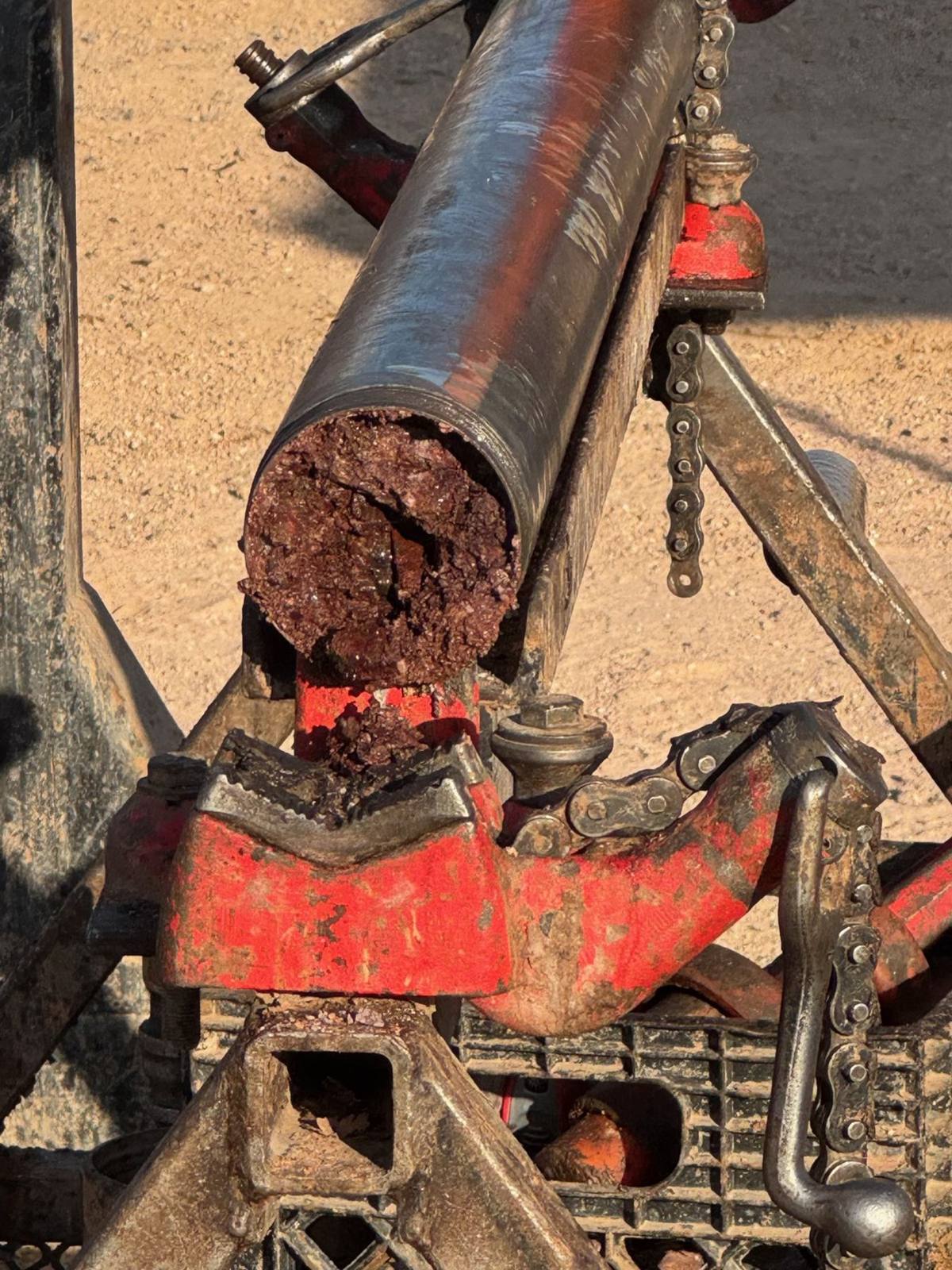
Mining pages use only photos from real mining jobs, and the copy uses the exact language RDF approved. It sounds like a small detail, but specific, accurate pages are what convince both people and search engines that a business knows its field.
Your own five-minute website check
You don't need a rebuild to start. Open your site on your phone and ask:
- Does each main page have its own title in the browser tab, or do they all say the same thing?
- If I search Google for my business name, do the results show my current services?
- If I fill out my own contact form, who gets it, and how fast?
- Do my oldest links (from directories or old emails) still open a real page?
- Do the photos show my actual people and work?
If any of those answers made you wince, that's normal. Most sites drift as a business changes. If you'd like a second set of eyes, reach out and we'll walk through it with you.
Have a question about your own marketing?
Tell us what you're working on. We'll give you a straight answer, even if it's that you don't need us.
Sources
- [1]Google Search Central, Understanding Core Web Vitals and Google search results.
- [2]web.dev (Google), Milliseconds make millions. Study by 55 and Deloitte, commissioned by Google; 37 brand sites, data from late 2019.
- [3]Google Search Central, Local business (LocalBusiness) structured data.
- [4]Google Search Central, Site moves with URL changes.
- [5]Google Search Central, Learn about sitemaps.